Guide

Nitrile vs. Vinyl Gloves: Which Should Your Business Buy?

Both are latex-free disposable gloves, but they perform very differently. Here is the straight comparison so you can pick the right one for your operation.

HomeProducts › Nitrile vs. Vinyl Gloves: Which Should Your Business Buy?

Strength and puncture resistance

Nitrile is significantly tougher than vinyl — more resistant to punctures, tears, and abrasion. For scrubbing, handling sharp items, or heavy cleaning, nitrile holds up where vinyl can split.

Chemical resistance

Nitrile resists solvents, oils, and cleaning chemicals far better than vinyl. If your staff handle disinfectants, degreasers, or automotive fluids, nitrile is the safer barrier.

Cost

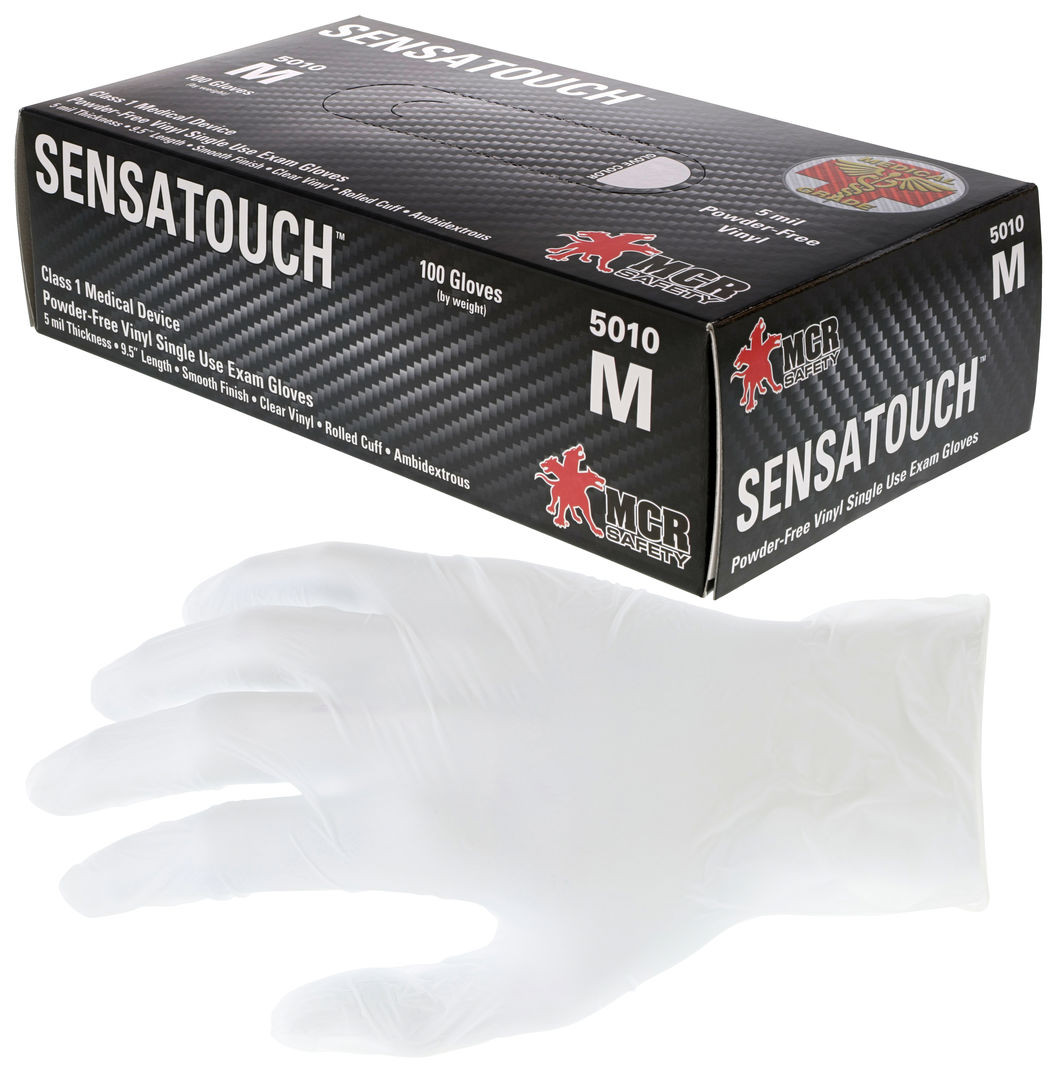
Vinyl is cheaper per glove and fine for light, low-risk tasks — quick food prep, light cleaning, general handling. Nitrile costs a bit more but lasts longer under stress, so the effective cost gap narrows in demanding jobs.

Which to buy

Use vinyl for light-duty, high-volume, low-risk tasks. Use nitrile for cleaning, chemical handling, food service with grease and heat, and anywhere glove failure is a problem. Many businesses stock both.

Frequently Asked Questions

Are nitrile gloves better than vinyl?
For strength and chemical resistance, yes. Nitrile resists punctures and chemicals much better. Vinyl is cheaper and fine for light, low-risk tasks.
Are nitrile and vinyl gloves latex-free?
Both are latex-free, so they avoid latex allergy risks. That makes either a safe choice for staff and customers with latex sensitivities.
How many gloves come in a case?
A standard case is 1,000 gloves — 10 boxes of 100. That is the cost-effective format for any business using gloves daily.
Shop These Products
Professional grade · flat-rate US shipping · free over $150